7 Core Master Strategies How to learn singing online
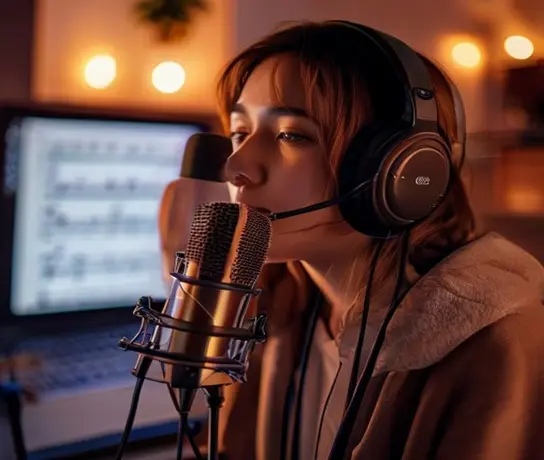
learn singing online
Table of Contents
Embarking on a journey to learn singing online offers unparalleled accessibility and flexibility, transforming vocal aspirations into achievable skills. Can you truly develop a powerful, nuanced singing voice from home? Absolutely, with the right methodology and consistent effort. This guide distills decades of vocal pedagogy and industry experience into actionable strategies for anyone looking to master their voice in the digital age.
The core of effective online vocal training mirrors in-person instruction: it demands discipline, self-awareness, and a structured approach. Without the immediate physical presence of a coach, your engagement with the material and your own body becomes paramount. Successful singers consistently apply foundational techniques, regardless of the learning environment.
The Foundational Pillars to Successfully Learn Singing Online
Developing a robust singing voice relies on several interconnected elements. Understanding these pillars is crucial for any online learner.
- Breath Management: Often termed the engine of the voice, proper diaphragmatic breathing ensures sustained vocal power without strain. It’s about efficiency, not just lung capacity.
- Vocal Resonance: Learning to utilize the natural resonators in your head and chest creates a fuller, richer tone. This involves understanding placement and how to “project” sound.
- Pitch Accuracy & Ear Training: The ability to hit notes precisely and identify musical intervals is fundamental. Online tools often excel in providing immediate pitch feedback.
- Vocal Health & Warm-ups: Protecting your instrument is non-negotiable. Regular warm-ups and cool-downs prevent injury and promote long-term vocal longevity.
- Articulation & Diction: Clear communication of lyrics is vital. This involves precise shaping of vowels and consonants.
Crafting Your Effective Practice Routine When You Learn Singing Online
Consistency is more valuable than sporadic, intense sessions. A well-structured daily or weekly routine provides the framework for significant progress. This isn’t just about vocal exercises, but also about active listening and self-assessment.
According to research published by the National Association of Teachers of Singing (NATS), regular, shorter practice sessions are often more beneficial for muscle memory and skill retention than infrequent, lengthy ones. Aim for 20-30 minutes daily, rather than a single two-hour session once a week.
A structured online learning approach often includes video lessons, interactive exercises, and opportunities for feedback. Platforms that allow submission of recordings for expert review bridge the gap often perceived between online and in-person instruction.
Expert Opinion: Debunking the In-Person Myth
A common misconception persists: that one absolutely needs an in-person vocal coach to achieve professional-level singing. While traditional lessons offer distinct advantages, the advancements in audio technology and pedagogical design have largely leveled the playing field for those who learn singing online. High-definition cameras, studio-quality microphones, and real-time feedback systems allow for nuanced observation of posture, facial expressions, and vocal tract adjustments.
The real difference lies not in the medium, but in the student’s self-discipline and ability to internalize feedback. Many successful artists today credit online resources and virtual coaching as pivotal in their development. The key is active engagement: record yourself, listen critically, and apply corrections.
Choosing Your Online Vocal Resources
The landscape for online vocal education is vast. Selecting the right tools and instructors is crucial for a productive experience. Consider factors like pedagogical approach, cost, and community support.
| Resource Type | Pros | Cons | Best For |
|---|---|---|---|
| Live 1-on-1 Coaching (Virtual) | Personalized feedback, real-time adjustments, structured curriculum. | Higher cost, scheduling dependencies. | Serious learners, rapid progress, specific issues. |
| Self-Paced Online Courses | Affordable, flexible schedule, vast library of content. | Less personalized feedback, requires strong self-discipline. | Beginners, exploring techniques, supplementary learning. |
| Vocal Training Apps/Software | Interactive exercises, pitch tracking, gamified learning. | Limited depth, often generic exercises. | Ear training, pitch accuracy practice, warm-ups. |
When evaluating options, look for instructors with demonstrable experience in vocal pedagogy and performance. A strong understanding of anatomy and acoustics is a hallmark of effective vocal instruction, whether in-person or online.
Integrate practical applications early on. Don’t just do scales; apply the techniques learned to songs you enjoy. This makes the process more engaging and demonstrates the real-world utility of your efforts. Seek out online communities where you can share progress and receive peer feedback.
Vocal pedagogy, as championed by organizations like The Voice Foundation, emphasizes holistic vocal health. This includes hydration, adequate rest, and avoiding vocal abuse. These principles remain constant, regardless of how you choose to learn singing online.
Ultimately, to truly excel when you learn singing online, cultivate self-awareness and consistent practice. The tools and expert guidance are readily available; your commitment is the final, indispensable ingredient. Embrace the journey, and watch your vocal abilities flourish.