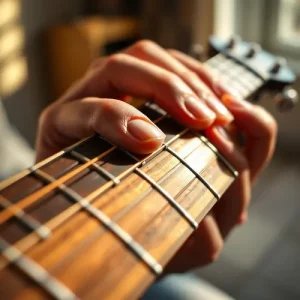
5 Essential Steps to learn Basic Guitar Chords
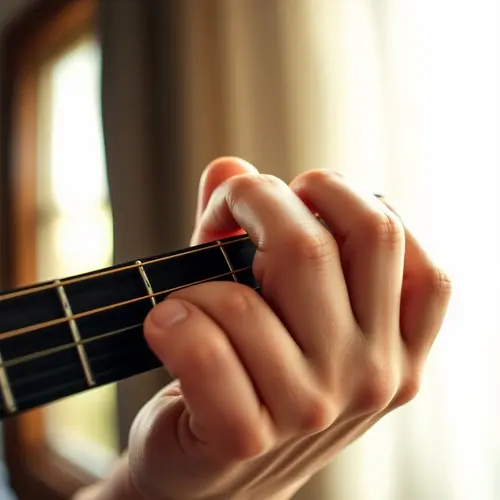
learn basic guitar chords
Table of Contents
If you want to learn basic guitar chords, start with the three most common open shapes: G, C, and D. These chords form the foundation for countless songs and train your fingers for smoother transitions.
Why learn basic guitar chords Matters for Beginners
Mastering these shapes gives you instant access to popular progressions used in folk, rock, and pop music. According to the National Association for Music Education, beginners who focus on open chords report higher motivation and faster skill retention.
When you learn basic guitar chords, you also develop muscle memory that makes barre chords and advanced techniques easier later. This early success builds confidence and encourages regular practice habits.
Beyond song play, knowing these chords sharpens your ear for harmonic changes. Listening to recordings and identifying the underlying G‑C‑D progression reinforces both auditory and tactile learning.
How to Practice learn basic guitar chords Effectively
Set a timer for five minutes and switch between G, C, and D while keeping a steady rhythm. Use a metronome set at 60 beats per minute to ensure clean transitions.
To truly learn basic guitar chords, focus on pressing each string firmly and listening for any buzzing or muted notes. Adjust your finger placement until every note rings clear.
Consistency beats length; a short daily session yields better retention than an infrequent marathon. Keep a practice log to track which changes feel smooth and which need work.
Common Mistakes When Trying to learn basic guitar chords
Many beginners rush chord changes and sacrifice sound quality for speed. This habit can lead to frustration and slower overall progress.
When you learn basic guitar chords, avoid pressing too hard with the index finger, as this creates unnecessary tension in the hand.
To overcome these issues, practice each change slowly, then gradually increase tempo only when the chords sound clean. Recording yourself helps spot hidden mistakes that feel fine in the moment.
Another frequent error is lifting all fingers simultaneously, which creates gaps in the rhythm. Instead, keep at least one finger anchored when possible to maintain continuity.
The following table shows finger placement for the five essential open chords every beginner should know.
Basic Guitar Chords
| Chord | Fingering (strings) | Typical Use |
|---|---|---|
| G | 2nd fret A (ring), 3rd fret low E (middle), 3rd fret high E (pinky) | Rock, folk, country |
| C | 1st fret B (index), 2nd fret D (middle), 3rd fret A (ring) | Pop, ballads |
| D | 2nd fret G (index), 2nd fret high E (middle), 3rd fret B (ring) | Up‑tempo strumming |
| Em | 2nd fret A (index), 2nd fret D (middle) | Blues, metal riffs |
| Am | 1st fret B (index), 2nd fret D (middle), 2nd fret G (ring) | Soft verses |
Practicing these shapes daily will reinforce the muscle memory needed to learn basic guitar chords efficiently.
Integrating chords into simple songs accelerates retention. Try playing along with tracks that use only G‑C‑D, then swap in Em or Am for variation.
Key tips for Basic Guitar Chords success include:
- Keep your nails short to allow better fingertip contact.
- Place your thumb behind the neck for support and leverage.
- Practice chord transitions in pairs before attempting full progressions.
- Use a mirror to watch your hand position and avoid awkward wrist angles.
- Record short audio clips to track progress and identify areas needing improvement.
- Stretch your fingers gently before each session to prevent strain.
- Focus on clean sound first; speed will follow naturally.
- Celebrate small wins, like a clear G chord, to maintain motivation.
By dedicating time to learn basic guitar chords, you set a solid foundation for lifelong musical growth and enjoyment.

Sherina Arabella is a senior music education specialist at DB Music Academy covering guitar, vocals, and learning psychology. 6+ years, 120+ guides. Method: conservatory methodology and motor-learning research. Author of 2,082 music guides since 2022.