The Inspiring Power of General Music Lessons Every Family Loves
Table of Contents
In every bustling household, in every vibrant classroom, and in every child’s quietly growing imagination, there lies a hidden spark—a spark that general music lessons have the extraordinary power to awaken. Some families discover it early. Others stumble upon it later, almost by accident. But when it appears, it changes everything. It shifts confidence. It opens emotional doorways. It nurtures discipline, expression, empathy, and intellectual agility in ways no other activity can. And today, as parents search for meaningful experiences that genuinely shape their children’s growth, the demand for transformative musical learning has never been stronger.
How General Music Lessons Shape Lifelong Creativity and Confidence
The magnetic pull of general music lessons begins with something simple: curiosity. Children lean in. Their ears perk up. Their hands tap instinctively. It is in these small, instinctive gestures that the foundation of musical intelligence begins. Unlike instrumental-specific programs—such as piano-only or violin-focused instruction—general music lessons introduce children to a vast soundscape. They explore rhythm, melody, harmony, movement, listening skills, vocal play, and cultural musical traditions. This diversity offers young learners something precious: freedom to explore without rigid expectation.
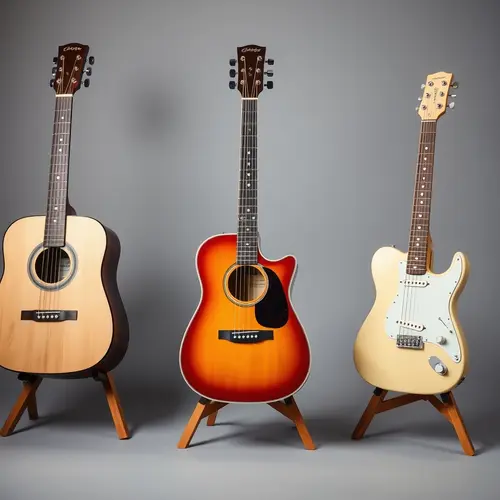
The comparisons are striking. Piano programs build strong finger technique and discipline. Guitar classes develop coordination and rhythmic awareness. Choir training strengthens pitch accuracy and breathing control. But general music lessons deliver a hybrid advantage. They gather the best elements of each specialty—rhythm, listening, vocalization, movement, improvisation—into one beautifully cohesive learning experience. Children do not simply learn to play; they learn to understand music from the ground up.
This foundational approach creates learners who adapt effortlessly to future instruments, musical pathways, or artistic pursuits. It is the difference between memorizing a story and learning to read. One is functional. The other is transformational.
Why General Music Lessons Become a Family’s Most Loved Learning Experience
The real magic of general music lessons lies not only in skill development but in emotional resonance. Families repeatedly describe it with words like “bonding,” “joyful,” “grounding,” and “unexpectedly life-changing.” These reactions stem from the universal accessibility of music. No expensive equipment required. No prerequisite abilities. No fear of failure.
Children simply experience music as it’s meant to be: an expressive language.
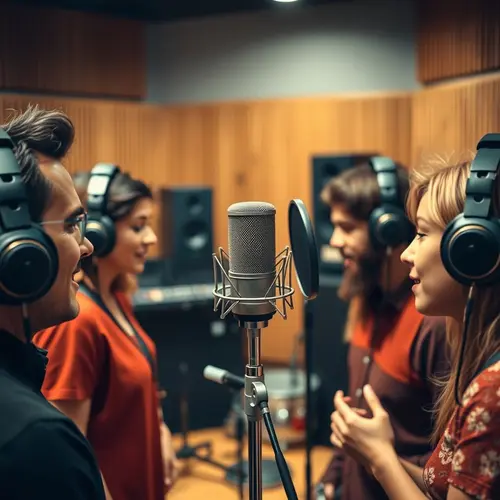
Some programs emphasize group collaboration, helping children build social awareness and emotional intelligence as they perform rhythmic activities or sing in unison. Others focus on creative exploration, allowing students to compose simple melodies, experiment with percussion instruments, or interpret music through movement and storytelling. Compared to highly structured instrumental lessons—where practicing scales or perfecting a piece can feel intimidating—general music lessons create environments of discovery rather than pressure.
This is precisely why families love them. They fit into any lifestyle, any personality, and any developmental stage.
The Compelling Benefits That Make General Music Lessons Stand Out
Where other activities may offer fun or structure, general music lessons offer holistic empowerment. Their benefits are diverse and backed by decades of research:
-
Enhanced cognitive development through pattern recognition
-
Stronger memory retention and auditory processing
-
Elevated emotional resilience and self-expression
-
Improved social cooperation and teamwork
-
Heightened creativity and improvisational thinking
-
Increased discipline and self-mastery
-
Exposure to multicultural perspectives through world music traditions
When compared to sports, dance, or language programs, the distinctive synthesis offered by general music lessons stands in a category of its own. Music does not simply train a skill—it molds the entire learner. It stimulates both hemispheres of the brain. It shapes emotional fluency. It ignites imagination. It cultivates patience, precision, and curiosity simultaneously.
This makes general music lessons one of the few learning paths capable of touching every developmental domain without overwhelming the child.
Why General Music Lessons Are the First Step Toward Becoming a Lifelong Musician
Families often wonder: should their child begin with a specific instrument, or should they start with a broader foundation? The truth is clear. Children who begin with general music lessons often transition into specialized instruments with greater ease, confidence, and musical intuition. Their internal sense of rhythm is stronger. Their listening skills sharper. Their ability to interpret musical patterns more instinctive.
It is similar to learning multiple sports fundamentals before choosing a single athletic discipline. A solid foundation makes the final choice more natural—and more successful.
Programs like Orff Schulwerk, Kodály, and Dalcroze Eurhythmics exemplify how general music lessons use playful, body-based learning to nurture true musicianship. These methods differ in execution—Orff encourages instrument play and improvisation, Kodály emphasizes singing and ear training, and Dalcroze focuses on movement as the core of musical understanding. Yet they all share a philosophy of holistic, joyful learning that elevates the young artist from the inside out.
The Emotional Impact Parents Appreciate Most
Beyond skill-building, general music lessons create priceless emotional moments for families. Parents describe the glow on a child’s face when they recognize a rhythm, the confidence that blooms when they contribute to a group activity, the calmness that settles during a gentle melodic exercise, or the excitement of discovering a new instrument for the very first time.
This emotional dimension is what transforms simple lessons into cherished rituals.
Children begin to express themselves more openly. They develop sensitivities not always taught in academic environments—empathy, connection, artistry, sensitivity to nuance. As these qualities grow, families often notice a ripple effect: improved communication at home, increased patience, and heightened enthusiasm for learning in all subjects.
How Families Can Embrace the Transformational Power of General Music Lessons
Choosing general music lessons is more than selecting a weekly activity. It is choosing a pathway that nurtures a child’s whole being. Whether the family selects a community center class, a private studio program, or a school-based curriculum, the outcome remains beautifully consistent: children evolve into confident learners, expressive communicators, and imaginative creators.
The journey begins with something simple—a beat, a song, a pattern, a playful exploration of sound. But over time, it becomes a cornerstone of growth, empowerment, and joy.
The inspiring power of general music lessons is not merely heard.
It is lived.
It is felt.
And it stays with a child forever.
Sherina Arabella is a senior music education specialist at DB Music Academy, specializing in guitar pedagogy, vocal harmony technique, instrument selection science, and music learning psychology for US students and educators. She translates conservatory methodology, motor-learning research, and repertoire standards into actionable guides for beginners, teachers, and self-learners. Coverage: guitar chord fundamentals, learning methodology comparison, harmony vocal arranging, instrument selection…