The Ultimate Guide to Powerful Group Music Lessons That Inspire Brilliant Talent
Table of Contents
where children are constantly seeking meaningful ways to express themselves, group music lessons are emerging as one of the most exhilarating, dynamic, and transformative learning experiences available today. These collaborative sessions are not just about mastering melodies—they’re about building confidence, fostering camaraderie, and unlocking creative brilliance that might otherwise remain undiscovered. And as modern families continue searching for educational pathways that combine skill-building with emotional enrichment, group music lessons are quickly becoming a standout choice.
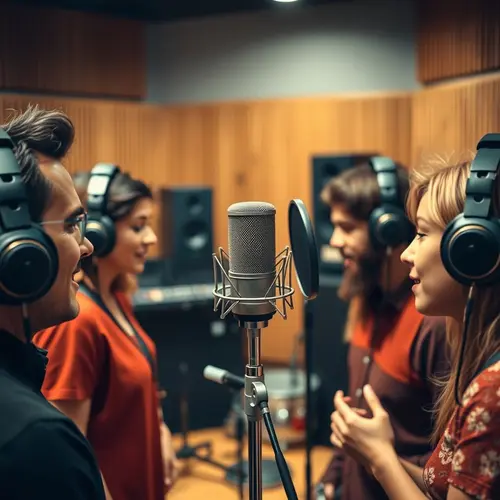
Imagine a classroom alive with rhythm. Young learners harmonizing together. The gentle hum of a violin blending with the bright cheer of a piano. A child who once felt timid suddenly lifting their voice or instrument with courage, supported by peers experiencing the same journey. This is the undeniable magic of group music lessons—a space where musicality grows through community, and community grows through shared artistic pursuit.
How Group Music Lessons Create Instant Engagement and Collective Motivation
Children thrive when they feel seen, supported, and connected. Group music lessons create an ecosystem where motivation spreads like a warm flame. One child masters a chord, and the others are inspired to try. Another performs a short solo, and suddenly the room is filled with applause that fuels confidence.
In solo lessons, students learn at a personal pace. But in comparison, group music lessons introduce the exciting element of collaborative progression. This subtle yet powerful dynamic helps children stretch beyond their comfort zones while learning to celebrate others’ success. And that shared momentum? It becomes the secret ingredient that sustains enthusiasm week after week.
For example, methods like the Suzuki Ensemble approach allow children to hone individual techniques while performing with other young musicians—helping them absorb timing, rhythm, and emotional expression more naturally. Meanwhile, programs like Orff-Schulwerk turn group settings into joyful, interactive music-making environments filled with instruments, movement, and improvisation. Side by side, these models offer uniquely enriching experiences—but both prove one truth: children learn deeply when they learn together.
Why Every Family Wants the Transformational Benefits of Group Music Lessons
Parents are increasingly discovering that group music lessons offer more than musical proficiency. The benefits ripple outward into every area of a child’s development.
Children gain social courage.
They learn to listen—deeply, intentionally, and empathetically.
They experience the joy of collaboration, a skill that remains valuable for a lifetime.
They build discipline without feeling overwhelmed, because practicing with peers feels more like play than pressure.
These sessions also nurture emotional intelligence. A child may pick up a soft dynamics cue by watching another classmate. They may learn resilience when they stumble yet feel uplifted by a group that refuses to let anyone fail alone. Such intangible gains are difficult to replicate in individual lessons, and they make group music lessons a powerful option for families seeking holistic growth.
Compared to traditional one-on-one instruction, the communal format offers a vibrant, energizing atmosphere—helping children stay more consistent, more excited, and more mentally engaged. And for young learners who struggle with shyness, group music lessons can be the turning point that teaches them to speak, play, or sing out loud without fear.
Your Next Step Toward Unlocking Brilliant Musical Talent Through Group Music Lessons
The path to nurturing a child’s artistic gift doesn’t have to feel complicated or overwhelming. With thoughtfully structured group music lessons, every family can access an inspiring environment that blends creativity, discipline, community, and joy. Whether your child dreams of becoming a performing artist or simply wants to explore music in a supportive setting, this group-based approach opens doors that solo learning often cannot.
Different programs cater to different learning personalities—enthusiastic ensembles, playful rhythmic groups, mixed-instrument collaborations, and more. The key is simply to begin. Start by exploring group music lessons in your area or online. Visit classrooms. Observe the atmosphere. Watch how children interact, how they engage, how they shine.
When you find the right fit, you’ll see it immediately: the spark. The excitement. The quiet confidence beginning to bloom. And as that spark grows, the music becomes more than sound—it becomes a pathway to lifelong creativity.
Sherina Arabella is a senior music education specialist at DB Music Academy covering guitar, vocals, and learning psychology. 6+ years, 120+ guides. Method: conservatory methodology and motor-learning research.