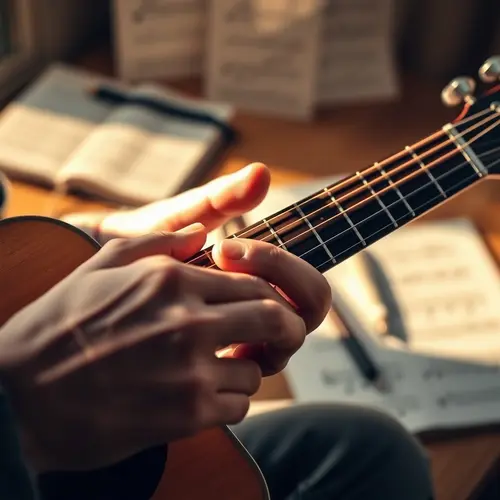
Why These Exceptional Music Lessons Online Are Transforming Young Artists Worldwide
Table of Contents
Where creativity is becoming as essential as literacy, a quiet revolution is unfolding—one powered not by concert halls or elite academies, but by music lessons online that are reshaping how young artists discover their gifts. These digital learning platforms are not merely convenient alternatives. They represent a profound shift in how musical mastery is nurtured today. The energy is palpable. The possibilities feel infinite. And the transformation is happening faster than most people realize.
Some children once waited years for access to quality instruction. Now, they can unlock expert mentorship in seconds. Compare traditional studio lessons, often limited by geography and availability, with music lessons online that offer global expertise, customizable pacing, and immersive multimedia learning. The contrast is staggering. Classic in-person lessons provide invaluable face-to-face connection, yet they struggle to match the diversity and adaptability of today’s digital ecosystems. Meanwhile, virtual conservatories, AI-assisted feedback platforms, and real-time global performance communities have democratized learning in ways unimaginable a decade ago. This shift is not just beneficial—it is revolutionary.
Why Parents and Students Are Actively Seeking Music Lessons Online for Skill Acceleration
Modern families crave flexibility. They seek enrichment that aligns with real-life rhythms—school routines, family commitments, personal preferences. Music lessons online meet this desire effortlessly. With asynchronous video feedback, mobile-friendly practice tools, and personalized progression paths, young learners can develop skills without the stress of rigid scheduling.
Platforms like Yousician or Simply Piano emphasize gamification and rapid skill-building, perfect for beginners who thrive on instant feedback and playful repetition. In contrast, sites like Lessonface or TakeLessons connect students with professional musicians who offer structured, conservatory-quality guidance. Both are excellent in their own ways—one builds confidence quickly, the other deepens technical mastery over time. Traditional lessons still excel in emotional connection and hands-on correction, yet online learning provides unparalleled accessibility, cost-efficiency, and diversity of teaching styles. Together, they reveal a vibrant spectrum of opportunities for today’s rising musicians.
How Music Lessons Online Spark Deep Emotional Growth and Artistic Identity
Music is more than sound—it is emotion, expression, and identity. And surprisingly, music lessons online have become a powerful space for cultivating these intangible qualities. This new environment encourages young artists to explore their individuality through creative assignments, digital recording challenges, and global performance showcases. A student in Jakarta can collaborate with a pianist in Brazil. A shy beginner can perform for a small supportive virtual group before stepping onto bigger stages.
Unlike traditional lessons anchored in one physical space, online programs allow students to curate their own artistic journey. They can revisit recorded lessons, track progress visually, or experiment with genres they might never encounter locally—classical, jazz, EDM, lo-fi, cinematic sound design. The exposure is extraordinary. And with AI tools offering pitch accuracy analysis or rhythm correction, learners gain instant, actionable insights that speed up development. This synergy of technology and passion creates an environment where talent grows faster, confidence becomes stronger, and artistic identity emerges naturally and boldly.
What Makes Music Lessons Online a Powerful Investment for Long-Term Creative Success
The world is changing—and creative skills are becoming valuable professional assets. Whether students dream of becoming performers, composers, producers, or educators, music lessons online give them a strong foundation for future opportunities. These platforms nurture discipline through structured modules. They foster digital literacy through interactive tools. They build global networking through online ensembles and competitions.
Parents looking for meaningful, future-proof investments are turning toward these virtual programs because they combine affordability with exceptional quality. Compared to traditional lessons that may cost hundreds per month, many digital platforms offer comprehensive curriculums at a fraction of the price. And unlike conventional methods where progress depends solely on weekly sessions, online learning empowers students to practice, review, and advance at their own pace—anytime, anywhere.
The result? Young artists not only learn faster but retain more, experiment more, and express more. It is a transformation that is both artistic and holistic.
Sherina Arabella is a senior music education specialist at DB Music Academy covering guitar, vocals, and learning psychology. 6+ years, 120+ guides. Method: conservatory methodology and motor-learning research.